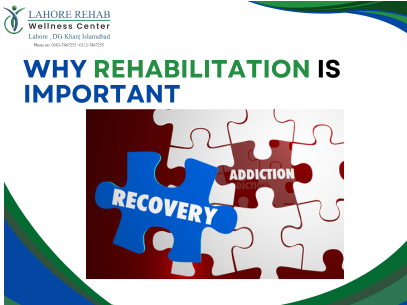
The decision to overcome addiction is one of the most courageous steps a person can take. However, the path from addiction to sustained recovery is rarely a straight line. Many attempt to quit through willpower alone, only to find themselves trapped in a cycle of relapse. This is where professional rehabilitation becomes not just important, but essential. Rehabilitation is not merely about stopping substance use; it is a comprehensive, scientifically-backed process that heals the whole person—addressing the underlying causes of addiction and equipping individuals with the tools for a lifetime of sobriety. This blog explores the critical reasons why rehab is the foundation of successful, long-term recovery.
For many substances, abruptly stopping use can lead to severe and even life-threatening withdrawal symptoms. Alcohol, benzodiazepines, and opioids, for example, can cause seizures, delirium, and extreme physical distress. A primary importance of rehab is providing a safe, medically supervised detoxification process. Under the care of doctors and nurses, individuals can withdraw from substances with medications and monitoring that manage symptoms, reduce discomfort, and ensure safety. This medical supervision is the first critical step that simply cannot be replicated at home, creating a stable foundation for the therapeutic work to come.
Addiction is rarely just about the substance itself; it is often a symptom of deeper, unresolved issues. Many individuals turn to drugs or alcohol to self-medicate underlying problems such as trauma, depression, anxiety, chronic stress, or grief. Willpower alone cannot address these root causes. Rehabilitation provides a structured environment for intensive therapy, where trained professionals help individuals uncover and process these core issues. Through modalities like Cognitive Behavioral Therapy (CBT), Dialectical Behavior Therapy (DBT), and trauma-informed care, rehab helps individuals understand their triggers and develop healthier coping mechanisms, treating the disease of addiction at its source.
Addiction thrives in isolation and denial. It distorts thinking, making it difficult for individuals to recognize the severity of their situation. Rehab breaks this cycle by removing individuals from the environments and triggers that enable their substance use. The structured daily schedule of therapy, meals, and activities eliminates the chaos of addiction and introduces discipline and routine. In this controlled setting, denial is challenged constructively by therapists and peers, fostering the self-awareness necessary for change. This structure is a crucial framework for rebuilding a life centered on health and responsibility.
Many individuals with substance use disorders have spent years relying on drugs or alcohol to navigate life’s challenges. As a result, they may lack fundamental life skills, including stress management, emotional regulation, healthy communication, and financial planning. Rehabilitation is an educational process where individuals learn and practice these skills in a supportive setting. A core component of any program is Relapse Prevention Planning, where individuals identify personal triggers, recognize early warning signs of relapse, and create a concrete action plan for navigating high-risk situations without turning to substances. This proactive approach is vital for maintaining sobriety in the real world.
The journey of recovery can feel incredibly lonely. One of the most powerful aspects of rehab is the sense of community and shared experience. Group therapy sessions connect individuals with peers who are facing similar struggles. This reduces feelings of shame and isolation, providing a network of mutual understanding and accountability. Sharing stories and strategies creates a bond that reinforces the message, “You are not alone.” This peer support is often a cornerstone of long-term recovery, with many friendships formed in rehab lasting a lifetime.
Addiction is a family disease. It creates patterns of codependency, enabling, and conflict that damage relationships. Many quality rehabilitation programs offer family therapy sessions. These sessions educate loved ones about the nature of addiction, help heal broken trust, and establish healthy boundaries. By involving the family, rehab not only supports the individual in recovery but also works to create a stronger, more supportive home environment for their return, significantly increasing the chances of long-term success.
Viewing rehabilitation as an expense is a misconception; it is an investment—an investment in health, relationships, and a future filled with purpose. It is the difference between simply stopping a behavior and fundamentally transforming a life. While the journey begins with the brave decision to seek help, rehabilitation provides the map, the tools, and the support system necessary to navigate the challenging terrain of recovery successfully.
If you or a loved one is struggling with addiction, understand that willpower is not enough. Professional rehabilitation offers the comprehensive care needed to achieve not just sobriety, but genuine, lasting wellness.
Take the first step today. Reach out to a certified rehab center to learn how you can embark on the most important journey of your life.