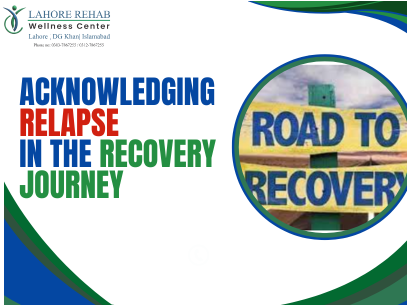
At Lahore Rehab & Wellness Center, we approach recovery with honesty and compassion. A common concern for many individuals is the fear of relapse. It is important to understand that addiction is a chronic condition, and relapse can be a part of the recovery process for some. Rather than viewing it as a failure, we should recognize it as a significant opportunity for learning and growth. Acknowledging a relapse is a critical step for several important reasons.
1. It Promotes Honesty and Reduces Shame
A relapse can create strong feelings of shame and guilt. These feelings often lead to secrecy, which can worsen the situation. Choosing to acknowledge a relapse is an act of courage. It means being honest with oneself and one’s support network. This honesty is the first step toward getting back on track. It breaks the cycle of shame and allows for open communication, which is essential for effective recovery.
2. It Provides a Valuable Learning Opportunity
A relapse is not a random event. It usually happens for a reason. When a relapse occurs, it offers a critical chance to understand what went wrong. Was it a specific trigger? An unresolved emotional issue? A lapse in aftercare support? By carefully examining the circumstances, individuals and their therapists can identify weaknesses in the recovery plan. This knowledge allows them to strengthen their coping strategies and prevent future setbacks.
3. It Reinforces the Need for Professional Support
Recovery is a challenging journey that should not be walked alone. A relapse clearly demonstrates the continued need for professional guidance and a strong support system. Acknowledging a relapse encourages individuals to re-engage with their treatment team. It is a decision to seek help again, to return to therapy, or to join a support group. This action reinforces the understanding that professional support is a key component of long-term wellness.
4. It Builds Resilience and Strengthens Resolve
The true measure of progress is not whether a person relapses, but how they respond to it. Getting back into recovery after a relapse requires significant strength. This process builds resilience. Each time an individual chooses to continue their recovery after a setback, they become mentally stronger. They prove to themselves that they can overcome challenges. This strengthened resolve is a powerful asset for the future.
5. It Helps Adjust the Treatment Plan
A recovery plan is not static; it should be dynamic and adaptable. A relapse provides concrete information that can be used to improve the treatment approach. A therapist can use this information to adjust therapy techniques, address co-occurring disorders, or modify relapse prevention strategies. This ensures that the care provided is even more tailored and effective moving forward.
A Formal Note on Our Approach
It is crucial to clarify what we mean by “acknowledging” relapse. This term refers to the formal process of recognizing the event, analyzing its causes, and recommitting to the recovery process in a structured way. It is a sober and purposeful assessment, not a celebration of the act of substance use. The true focus is on the individual’s decision to return to health and the valuable insights gained from the experience.
Conclusion
In summary, acknowledging a relapse is a vital part of a realistic and compassionate recovery model. It shifts the perspective from one of failure to one of learning. This approach reduces harmful stigma, empowers individuals to seek help, and ultimately creates a more robust and resilient path to long-term sobriety.
The journey of recovery requires perseverance. A relapse can be a difficult experience, but it does not erase the progress that has been made. With the right support and a proactive attitude, it can become a stepping stone toward a healthier future.
If you or a loved one is navigating the challenges of recovery, know that you do not have to face them alone. The professional team at Lahore Rehab & Wellness Center provides compassionate and effective support for every step of the journey.
We offer confidential consultations and personalized treatment plans at our branches:
📍 PIA Road Branch, Lahore
📍 Nawab Town Branch, Lahore
📍 Dera Ghazi Khan Branch