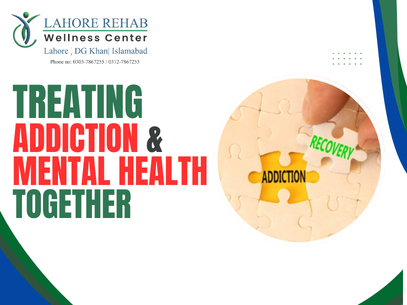
For decades, addiction and mental health conditions were treated separately. A person with depression who also struggled with alcohol abuse would be sent to a psychiatrist for the depression and a separate rehab for the addiction. This fragmented approach often failed. At Lahore Rehab & Wellness Center, we know why: addiction and mental health are not separate problems. They are deeply intertwined. Treating one without the other is like trying to heal a wound while still being injured. Lasting recovery requires treating both together—this is called Dual Diagnosis treatment.
Dual Diagnosis, also known as co-occurring disorders, refers to the presence of both a substance use disorder and a mental health condition in the same individual. Common combinations include:
According to research, approximately half of all individuals with a substance use disorder also have a mental health condition. Yet, for years, these two conditions were treated separately—often at different facilities, by different doctors, with little communication between them.
There is no single cause for co-occurring disorders, but several factors explain their connection:
1. Self-Medication:
Many individuals use substances to cope with painful emotions, anxiety, depression, or traumatic memories. They did not wake up one day wanting to be addicted. They wanted relief. Over time, the temporary relief turns into dependence. The treatment must not ignore the original pain.
2. Shared Risk Factors:
Trauma, chronic stress, genetic vulnerability, and brain chemistry abnormalities increase the risk for both addiction and mental health conditions. The same underlying factors can drive both.
3. Substance-Induced Conditions:
Some substances directly cause or worsen mental health symptoms. Alcohol-induced depression, stimulant-induced psychosis, and cannabis-induced paranoia are real clinical conditions. Symptoms may improve with abstinence, but they still require monitoring and, often, targeted treatment.
4. Worsening Cycle:
Substance use worsens mental health symptoms by disrupting sleep, altering brain chemistry, and increasing stress. Worsening mental health increases substance use. This destructive cycle must be broken at both ends.
Treating addiction and mental health separately is outdated and ineffective. Here is why integrated treatment works better:
1. Accurate Diagnosis:
Substance use can mimic mental illness, and mental illness can mask substance problems. A clinician who only sees the addiction may miss underlying depression. A clinician who only sees the anxiety may miss alcohol dependence. Dual diagnosis specialists are trained to differentiate.
2. Coordinated Care:
When addiction and mental health are treated in the same program, the same team coordinates your care. Your therapist, psychiatrist, and addiction counselor communicate directly. Medications that treat depression or anxiety are prescribed with addiction recovery in mind. Therapy addresses both substance triggers and mental health patterns.
3. Reduced Relapse:
Untreated mental health conditions are a leading cause of relapse. If depression is not addressed, the individual may return to substances to cope. Integrated treatment reduces this risk by building coping skills that address both conditions.
4. Holistic Healing:
Dual Diagnosis treatment goes beyond symptom management. It addresses the root causes—trauma, negative thought patterns, unmet emotional needs—that drive both addiction and mental health struggles.
At our center, integrated care includes:
You cannot separate the brain into addiction and mental health compartments. They are the same organ, connected and interdependent. A person struggling with both deserves a treatment model that recognizes this reality. At Lahore Rehab & Wellness Center, we see the whole person. We treat the addiction, the mental health condition, and the connection between them. That is how lasting healing happens.
If you or a loved one is struggling with addiction and mental health, you don’t have to choose between treatments. We offer integrated Dual Diagnosis care under one roof.
📍 PIA Road Branch, Lahore | 📍 Nawab Town Branch, Lahore | 📍 Dera Ghazi Khan Branch