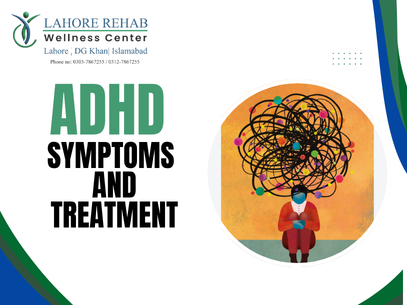
Attention-Deficit/Hyperactivity Disorder (ADHD) is a common neurodevelopmental condition that affects how the brain handles focus, behavior, and decision-making . It affects an estimated 5–10% of children and 2.5–5% of adults globally . While often diagnosed in childhood, ADHD is increasingly recognized in adults who may have lived with symptoms for years without understanding why everyday tasks like staying organized, managing time, or maintaining focus felt so challenging .
At Lahore Rehab & Wellness Center, we provide comprehensive assessment and evidence-based treatment for individuals living with ADHD across all age groups.
ADHD is a neurodevelopmental condition with multiple contributing factors that can affect individuals at different times in life in different ways . The condition is characterized by persistent patterns of inattention, hyperactivity, and impulsivity that interfere with daily functioning and development .
While the exact cause is not fully understood, research points to a combination of genetic and environmental factors. ADHD often runs in families, and environmental influences such as prenatal conditions and certain stressors can increase symptom severity . Importantly, lifestyle factors like poor sleep and high stress do not cause ADHD but can significantly affect symptom severity .
ADHD symptoms are categorized into three types of presentations :
1. Predominantly Inattentive Type
2. Predominantly Hyperactive-Impulsive Type
3. Combined Type
A mix of both inattentive and hyperactive-impulsive symptoms—this is the most common presentation .
ADHD manifests differently across age groups :
In Children:
In Adolescents and Adults:
Adults diagnosed later in life often realize they had symptoms earlier but developed coping strategies. As one expert notes, “It’s common for adults diagnosed with ADHD later in life to have felt like they were always overwhelmed, behind on deadlines, anxious or depressed, when they actually had undiagnosed ADHD” .
ADHD is a significant public health concern in Pakistan. A 2024 study of 342 undergraduate medical students found that 119 students (34.8%) screened positive for adult ADHD, with inattentive dominance being the most prevalent presentation at 72.3% . The study also found that individuals who screened positive for adult ADHD had significantly higher rates of co-occurring psychological disorders (such as anxiety and depression) and a family history of psychiatric disorders .
Previous research in Pakistan reported a frequency of self-reported ADHD symptoms of 12.17% among medical students in Rawalpindi and a 33.5% incidence in the general population in Quetta . These findings emphasize the critical need for ADHD screening and awareness programs in Pakistan.
There is no single definitive test for ADHD. Diagnosis relies on a comprehensive clinical assessment . The process typically includes :
In adults, diagnosis also requires obtaining evidence of symptoms present in childhood .
Effective ADHD management typically involves a multimodal approach combining behavioral strategies, psychoeducation, structured support, and when appropriate, medication .
1. Behavioral and Psychological Therapies :
2. Academic and Workplace Support :
Treatment plans must be developed collaboratively with the individual and their family, with careful monitoring of medication effects and side effects .
Families and friends play an important role in supporting individuals with ADHD. Educating loved ones about the condition can reduce stigma and foster a more supportive environment . Simple gestures like reminders or creating structured routines can significantly help manage symptoms effectively . Support groups can also be helpful for both individuals and parents .
ADHD is a treatable condition. With proper diagnosis, comprehensive treatment, and ongoing support, individuals with ADHD can lead fulfilling, successful lives. If you or a loved one is experiencing symptoms of ADHD, help is available.
At Lahore Rehab & Wellness Center, we offer comprehensive mental health services including ADHD assessment, therapy, and treatment. Contact us today for a confidential consultation.
📍 PIA Road Branch, Lahore | 📍 Nawab Town Branch, Lahore | 📍 Dera Ghazi Khan Branch