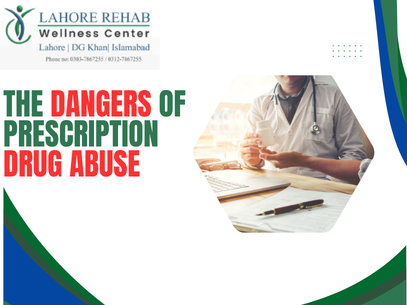
When people think of drug addiction, images of heroin, cocaine, or crystal meth often come to mind. Yet, hiding in plain sight in medicine cabinets across the country is an equally dangerous threat: prescription drug abuse. At Lahore Rehab & Wellness Center, we see a growing number of individuals who never intended to become addicted. Their journey began with a legitimate prescription—for pain, anxiety, or sleep—and gradually spiraled into dependence and devastation. Understanding these hidden dangers is the first step toward prevention and recovery.
Prescription drug abuse occurs when someone takes medication in a way not intended by the doctor. This includes taking a higher dose than prescribed, using someone else’s prescription, or crushing pills to snort or inject for a faster, more intense effect. The most commonly abused prescription drugs fall into three categories:
1. Opioids (Painkillers): Oxycodone, hydrocodone, codeine, tramadol, and fentanyl. These are prescribed for pain but produce euphoria and are highly addictive.
2. Central Nervous System Depressants: Benzodiazepines like Xanax, Valium, and Ativan, as well as sleep medications like Ambien. These treat anxiety and insomnia but cause sedation and dependence.
3. Stimulants: Adderall, Ritalin, and Concerta, prescribed for ADHD. Students and professionals sometimes abuse them to stay alert or improve performance, leading to heart problems and psychosis.
Many people mistakenly believe prescription drugs are safer than illegal drugs because they are approved by doctors and manufactured by pharmaceutical companies. This is a deadly misconception. Prescription drugs are potent chemicals designed for specific medical conditions under professional supervision. When abused, they carry risks identical to—and sometimes worse than—illegal substances.
Opioid Dangers: Even a single large dose can suppress breathing, leading to fatal overdose. Fentanyl, a synthetic opioid up to 100 times stronger than morphine, is increasingly found in counterfeit pills and has caused countless deaths. Long-term opioid use rewires the brain’s reward system, making withdrawal agonizing and recovery challenging.
Benzodiazepine Dangers: These drugs are highly addictive, even at prescribed doses. Withdrawal can be life-threatening, causing seizures, psychosis, and severe anxiety. Mixing benzodiazepines with alcohol or opioids is particularly deadly, as they compound respiratory depression.
Stimulant Dangers: Abuse of ADHD medications can cause dangerously high body temperature, irregular heartbeat, seizures, and heart failure. Long-term use may trigger paranoia, hallucinations, and violent behavior.
The transition often begins innocently. A patient receives opioids after surgery or for chronic pain. Over time, tolerance builds, requiring higher doses for the same relief. The doctor may refuse to increase the prescription, so the patient seeks multiple doctors, buys pills online, or turns to cheaper, stronger street drugs like heroin. This is known as “opioid use disorder” and it can develop in weeks. Similarly, someone with anxiety may become dependent on benzodiazepines, unable to sleep or function without them.
Warning signs of prescription drug abuse include:
Prevention starts with patients and doctors alike. Take medications exactly as prescribed. Never share prescriptions. Safely dispose of unused medications. If you suspect dependence, speak honestly with your doctor or seek professional help.
Treatment for prescription drug addiction mirrors that for illicit drugs. Medically supervised detox manages dangerous withdrawal symptoms. Behavioral therapies like Cognitive Behavioral Therapy address the underlying reasons for abuse. Long-term support and relapse prevention planning are essential for lasting recovery.
Prescription drugs save lives when used correctly. But they are not harmless. They are powerful tools that demand respect. If you or someone you love is misusing prescription medication, help is available. Addiction does not discriminate by how you started—only by where you end up.
If you or a loved one is struggling with prescription drug abuse, don’t wait until it’s too late. At Lahore Rehab & Wellness Center, we provide compassionate, confidential care to help you break free and rebuild your life.
📍 PIA Road Branch, Lahore | 📍 Nawab Town Branch, Lahore | 📍 Dera Ghazi Khan Branch